Usable water area
Check open surface, depth, obstacles and how much of the area can be reserved for powered use.
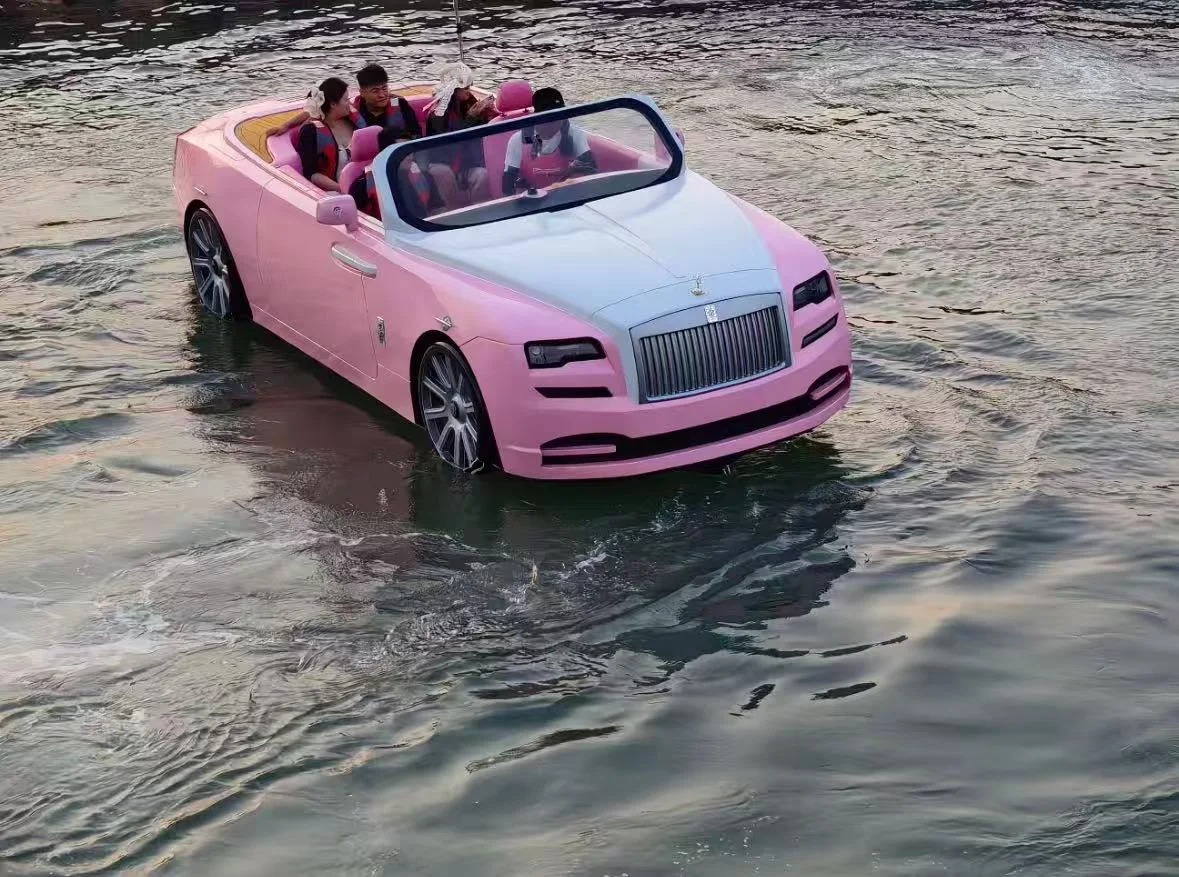
For parks with a large enough water area or a dedicated powered-water zone, plan the site, boarding point, route separation, staffing and throughput before selecting a fleet.
A water jet car needs more space and more separation than a typical park attraction. Confirm the site first so the rest of the plan stays realistic.
Check open surface, depth, obstacles and how much of the area can be reserved for powered use.
Keep the route away from swimming, slides, inflatables and paddle activities.
Match ride duration, staffing and boarding speed to the visitor numbers you expect.
Bring these answers to the first discussion. They decide whether the attraction fits, and which configuration to review.
Confirm usable depth across the intended route and any seasonal variation.
Check whether the shape allows a continuous route rather than repeated tight turns.
Identify where guests can board safely and where staff will stand.
Map swimming, play and paddle zones that must stay separated.
Check the rules that apply to powered watercraft in your park and region.
Decide age, height, supervision and passenger rules before opening.
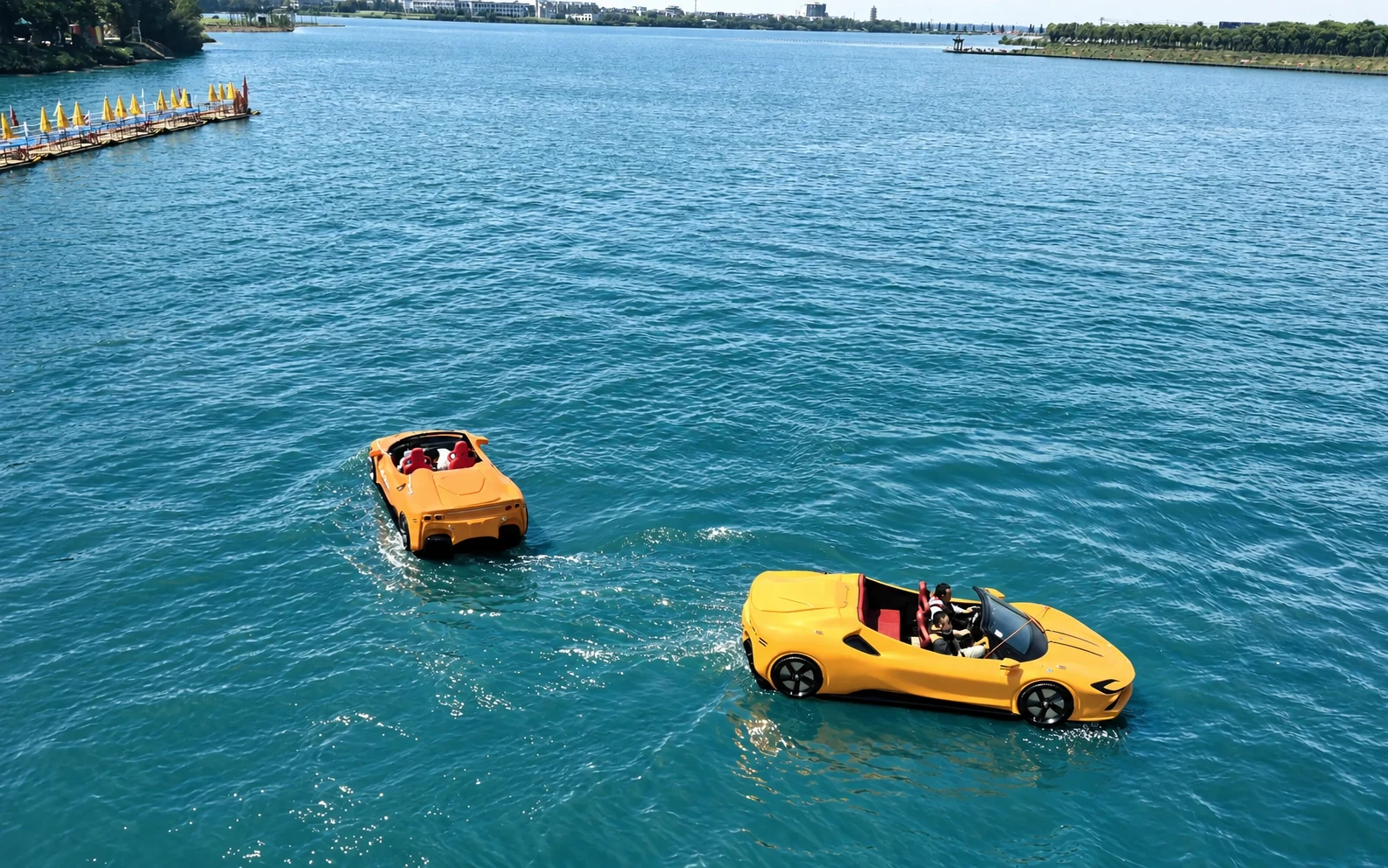
Treat the water jet car as its own attraction area rather than an addition to a shared swimming zone. The layout should be readable from the bank.
Throughput comes from a repeatable boarding cycle. Use your own timings to review how many units the zone needs.
Check guest policy, group size and life-jacket fitting before the dock.
Explain controls, route limits and the return signal in one short briefing.
Run a fixed-duration ride inside the marked zone with staff visibility.
Guide the craft back, change guests and reset for the next departure.
Guests served per hour depends on ride duration, briefing time, boarding speed, staff numbers, unit count and local operating rules.
These are planning ranges for discussion. The workable number depends on zone size, route length, ride duration, staffing and peak visitor numbers.
Open a new powered zone and review real guest demand.
Reduce queue time across busy opening hours.
Serve a large water area with multiple departure slots.
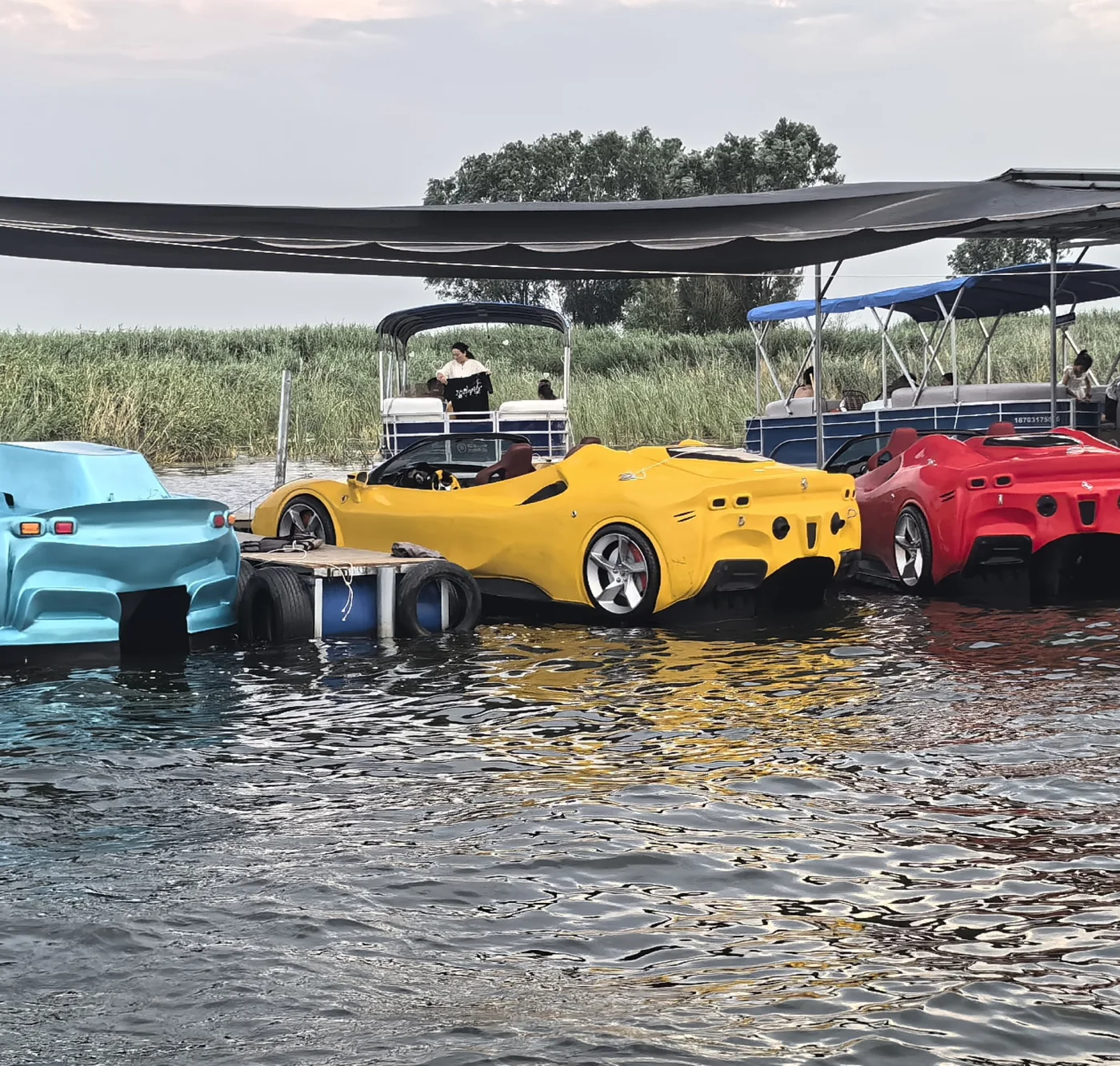
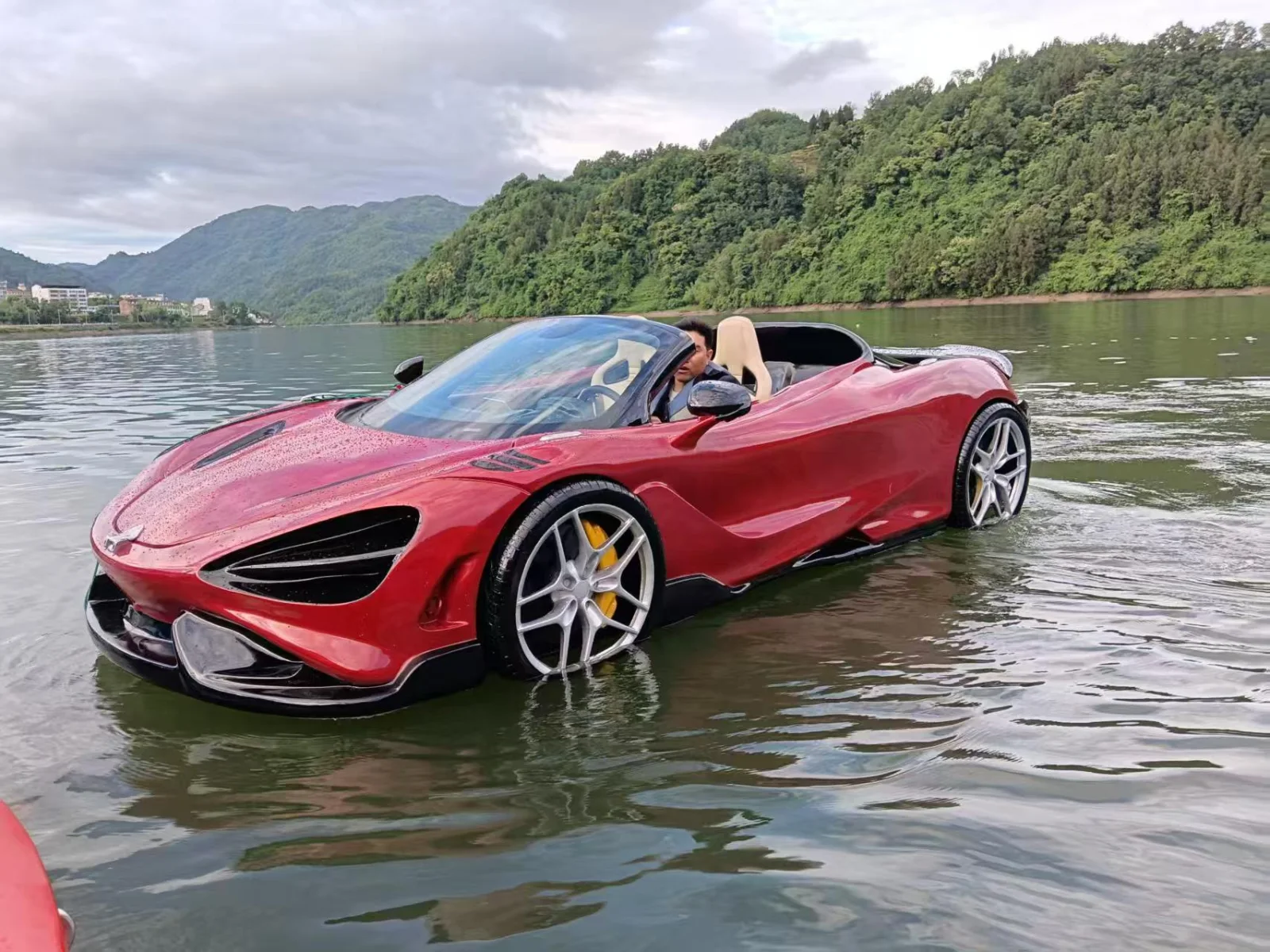
Park operation needs a defined routine for every departure. Confirm the final requirements with your own safety team and local authority.
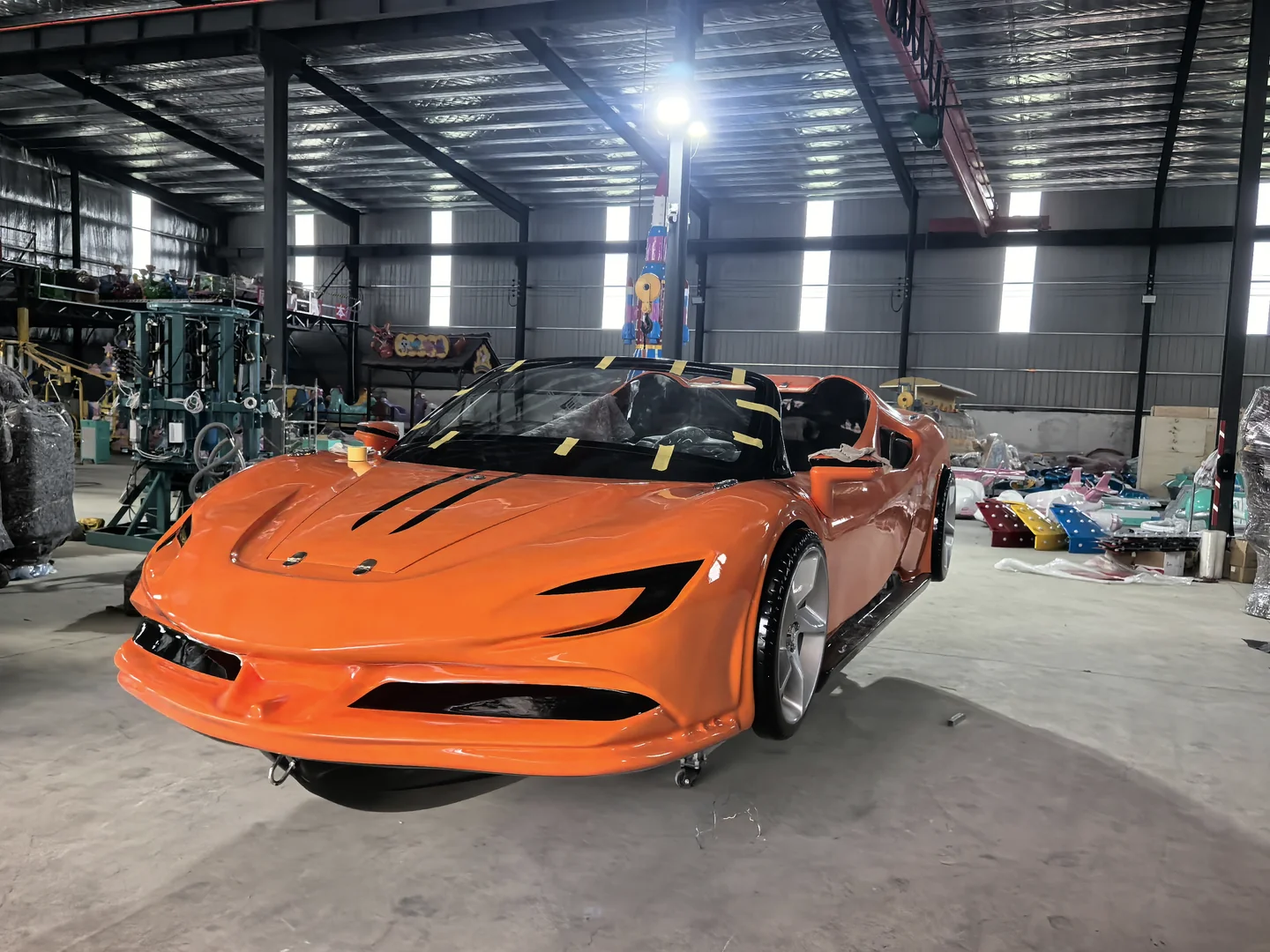 01
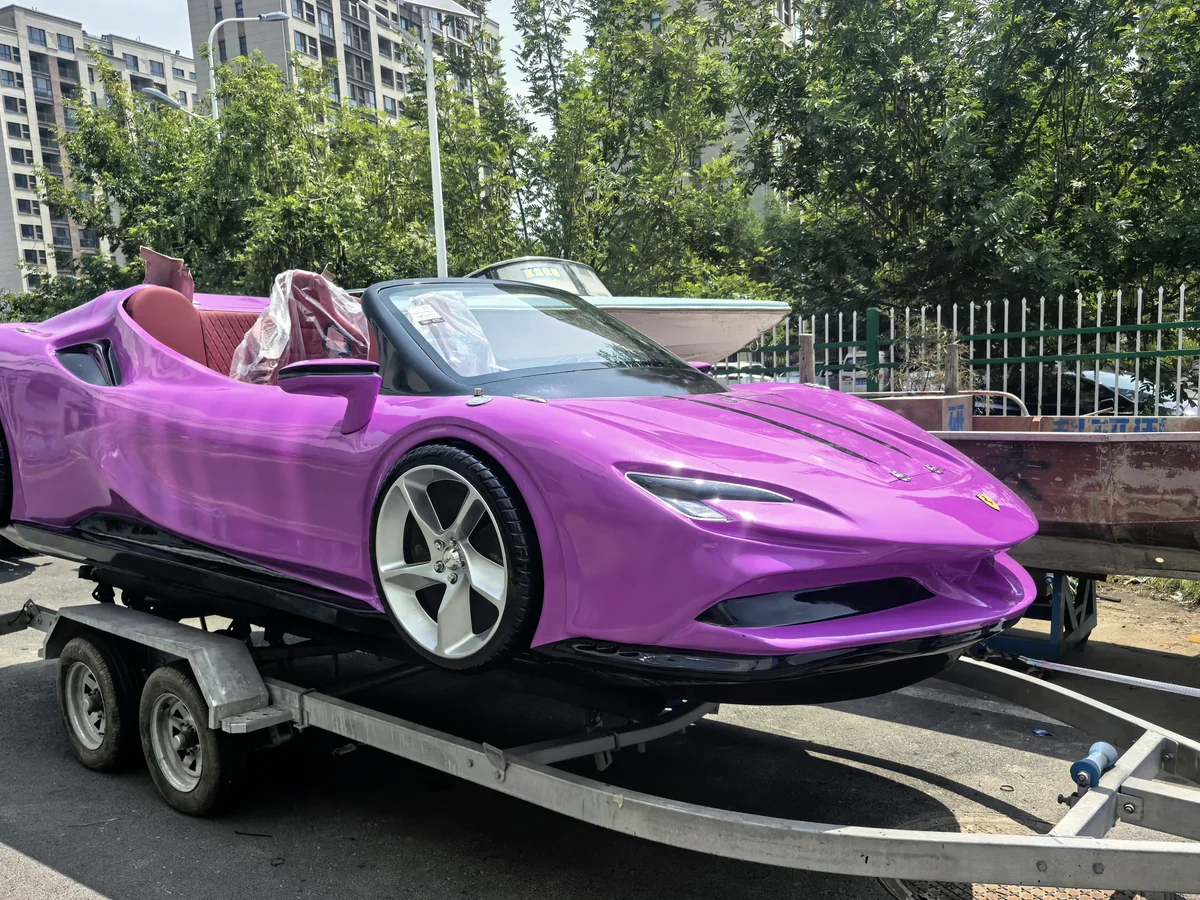 02
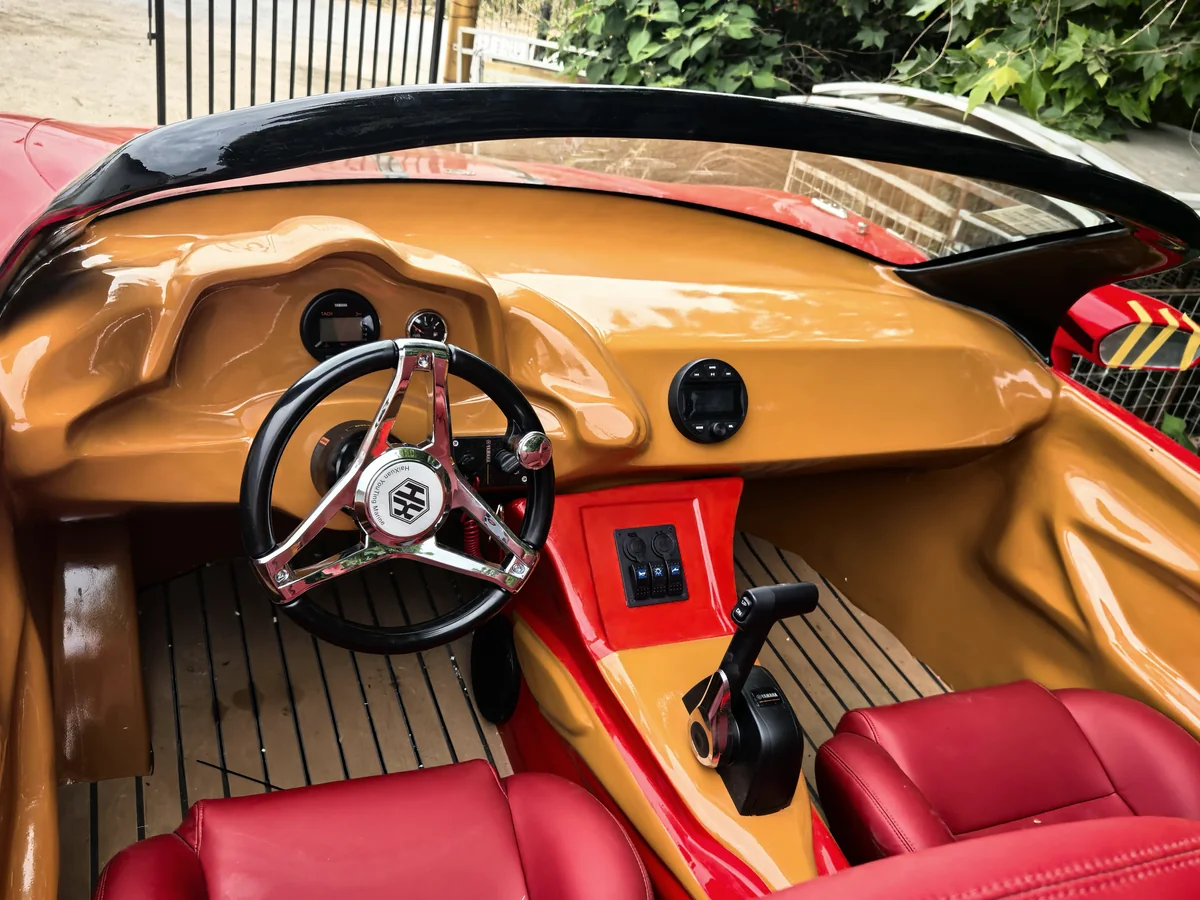 03
Review water depth, usable surface, obstacles, bank access and separation from swimming or play zones. Share the site layout so the operating area and model direction can be reviewed together.
Plan a dedicated powered-water zone with its own boarding point, marked route and clear distance from swimmers, slides, inflatables and paddle areas.
Throughput depends on ride duration, briefing time, boarding speed, staff numbers and turnaround. Use your own operating targets to review a suitable unit count.
Define who handles briefing, boarding, supervision, timing and the return point. Staffing must also follow local park operating and safety requirements.
Confirm the intended zone layout, water conditions, guest age policy, seating configuration, quantity and the local operating requirements that apply to powered watercraft.
Share your water area, existing activities, expected visitor numbers and operating hours. We can use those details to review suitability, configuration and unit count.