
Revenue scenario
Map ride duration, ticket format, opening hours and seasonal demand before estimating a fleet requirement.
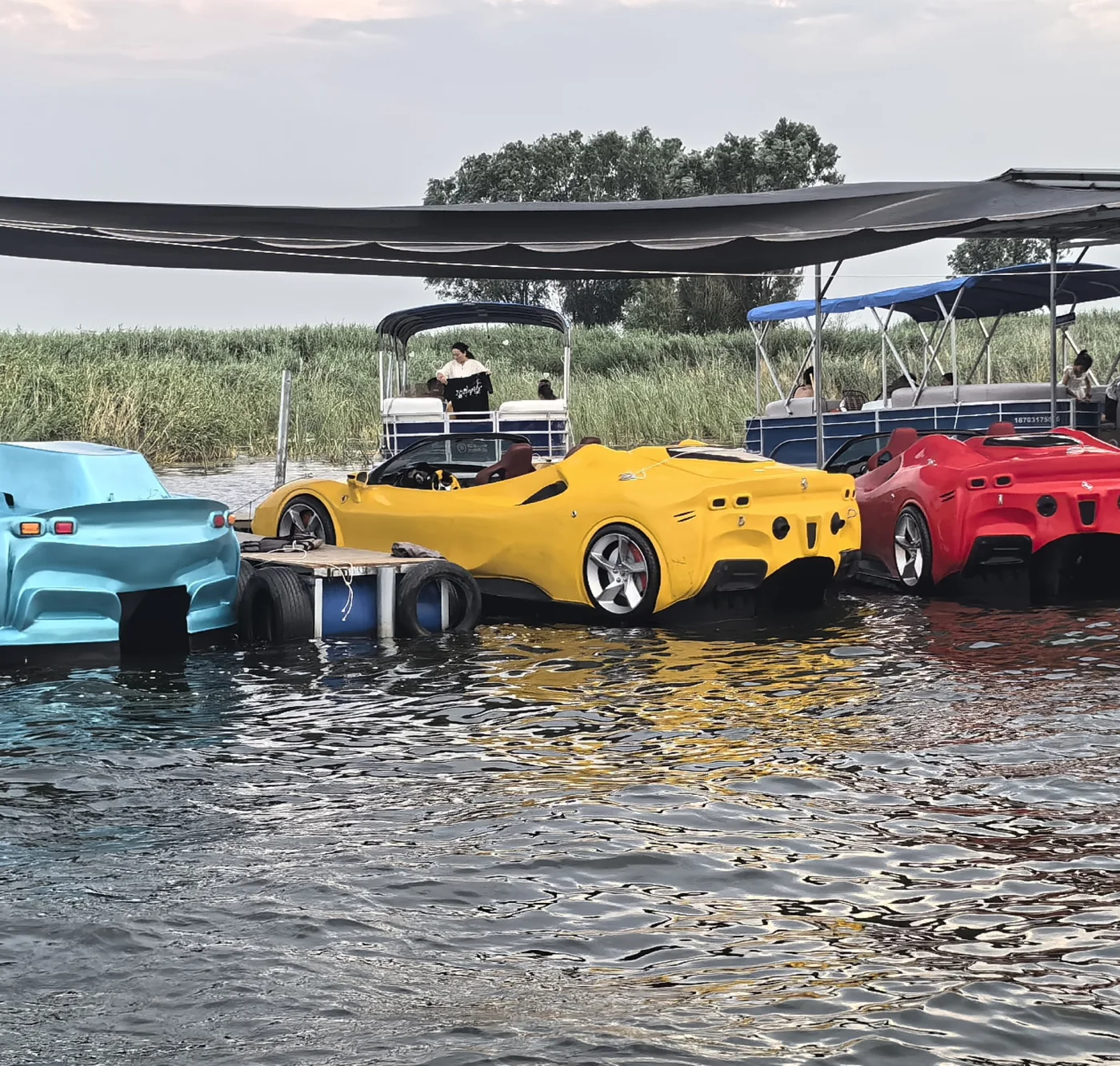
Plan the craft mix, guest handover and maintenance routine around your water area, ride format and daily operating capacity.
A rental fleet has to work through repeated boarding, short rides, inspections and handovers. The page is organised around those daily decisions.
Map ride duration, ticket format, opening hours and seasonal demand before estimating a fleet requirement.
Choose a model mix that matches the passenger profile, water area and staff available at the operating point.
Set the inspection, cleaning, parts and support routine before the first public ride.
Use one repeatable sequence for every ride. Actual procedures should follow local rules and the final configuration.
Inspect the craft, fuel or power status, controls and boarding area.
Explain controls, route limits, passenger rules and return timing.
Operate within the approved area with staff visibility and a clear route.
Check the hull, clean the seating and record any issue before release.
These are planning ranges for discussion. Final quantity depends on water area, ride duration, staffing, season length, budget and backup capacity.
Test a new rental format or one operating point.
Serve several guest groups across regular operating hours.
Support a larger attraction or multi-point program.
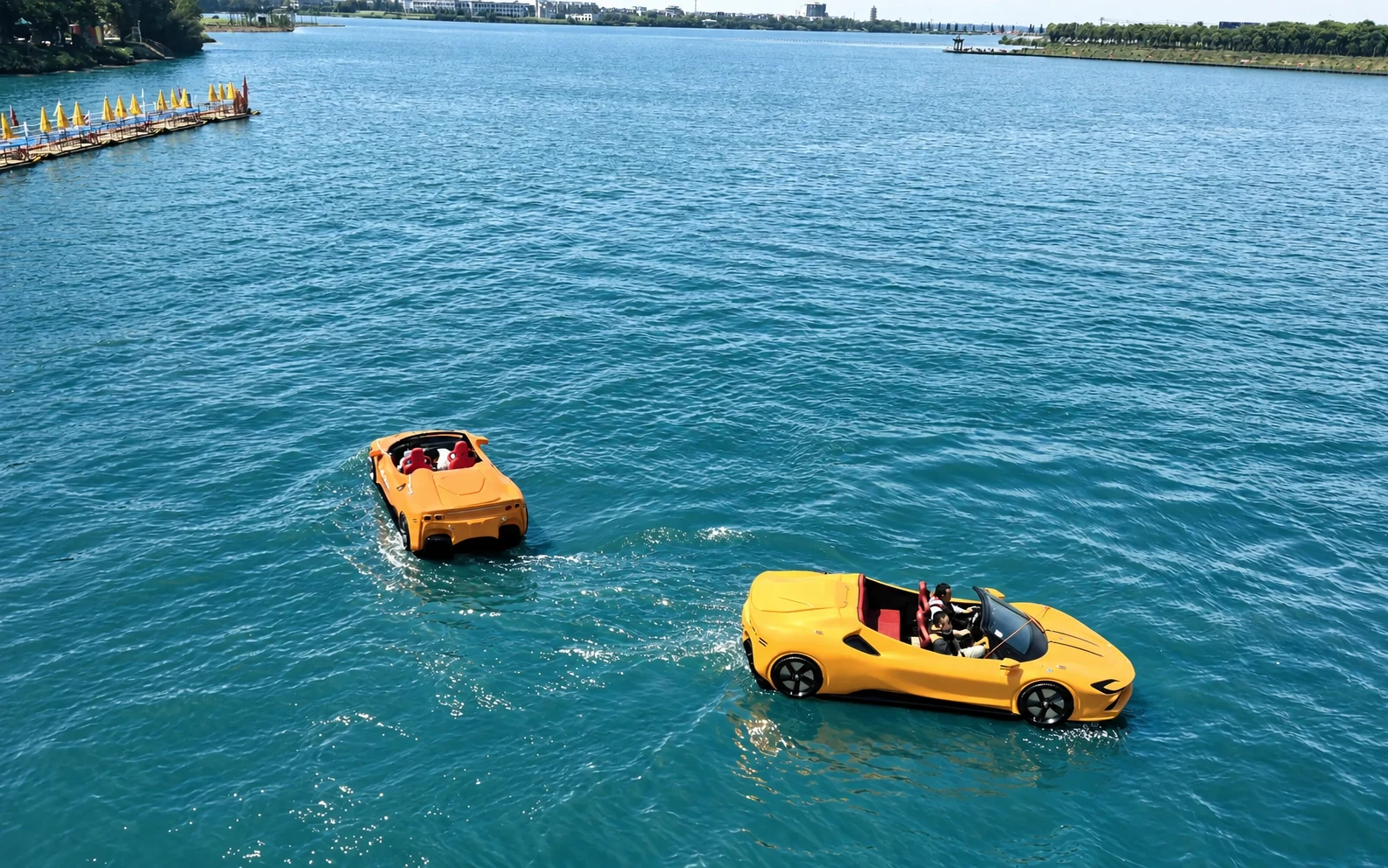
Passenger layout changes the experience, staffing and operating rhythm. Confirm the production configuration before publishing capacity.
A focused format for guests who want to drive, couples and premium short experiences.
A larger passenger direction for family groups, guided routes and shared experiences.
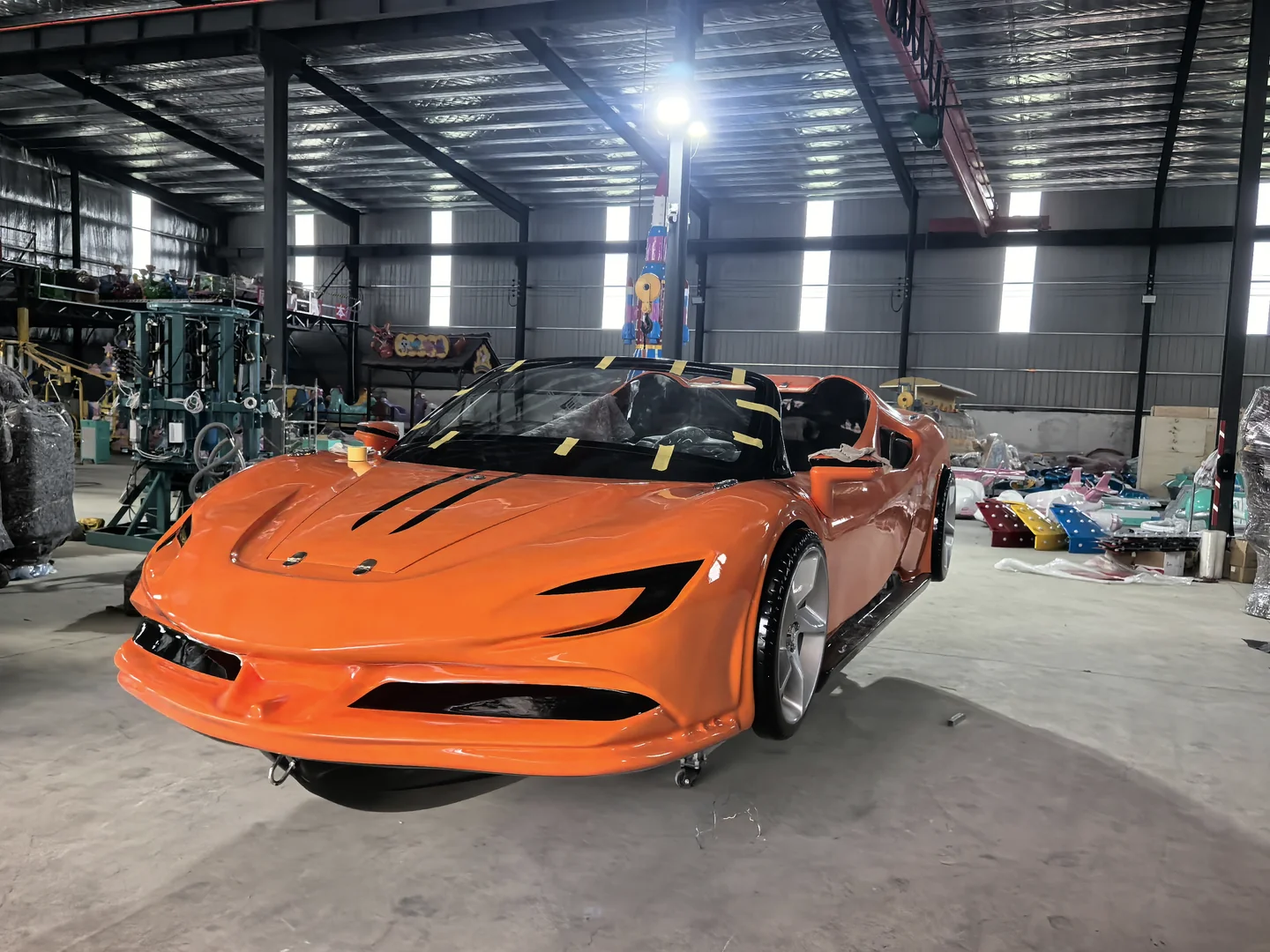
Build a service routine around the selected craft and engine. The purchasing discussion should cover the daily checklist, planned maintenance, spare parts and support contact.
Revenue depends on the location and operating plan. These inputs help an operator frame the conversation without assuming a guaranteed return.
How long is one paid experience from briefing to return?
What part of the day and season can the fleet operate?
How many departures can staff manage in the available water area?
What price format fits the destination and guest profile?
Actual revenue depends on local pricing, season, traffic, ride duration, operating hours, weather, fleet utilisation and local requirements.
Use the quotation to define the support package that matches your operating team and destination.
Request a rental configurationModel selection, water conditions, boarding layout and staff roles.
Basic checks, operating guidance and an agreed support route.
Spare parts, replacement planning and additional units by phase.
Use the water area, opening hours, ride duration, staff capacity and expected guest flow to build a starting range. A quotation can compare a smaller launch fleet with a phased expansion plan.
Two-seat craft suit individual driving and couple experiences. Larger layouts can support families or guided formats. Confirm the actual seating, payload and operating rules for the selected model.
Define a repeatable handover routine for boarding, fuel or battery status, controls, hull condition, safety equipment and cleaning. The final checklist depends on the confirmed configuration.
Ask for the written maintenance schedule, recommended spare-parts package, warranty scope and support route for the model and engine package in your quotation.
Colour grouping can help identify fleet roles or create a consistent brand. Share the preferred colours and quantity so the available finish can be confirmed.
Tell us about your operating area, guest format and expected quantity. We can use those details to discuss models, configuration and support scope.